Everyone has “Safari” sitting on their bucketlist just waiting to be checked off, but when it finally feels like the time is right for that once-in-a-lifetime trip, how are you going to decide where to go? There are so many things to consider when planning your dream safari trip that it can start to feel overwhelming pretty quickly, but we’re here to tell you that the country you may have never even heard of is the best destination you can choose for your African adventure – Botswana.

When you start doing your research, you’ll need to decide when you’re going to travel to this beautiful country. There are really just two seasons, a wet season and a dry season. Dry season is typically from April to October, while rainy season hangs around from November through March. We were in Botswana in September 2022 and the weather was what I would consider perfect. The mornings were definitely chilly – we would bundle up in an extra layer or two and it was great to have a warm hat, but during the day it would get up to the mid to high 80s (30 degrees celsius).
Dry season is certainly the more popular time for Safari because your chances of seeing game are better. The shrubbery and grasses are withered, making it easier to spot animals in the brush, and the smaller watering holes dry up forcing animals to make their way to the larger, more permanent ones. June through October is considered to be the best time for wildlife viewing according to most travel guides I’ve read.
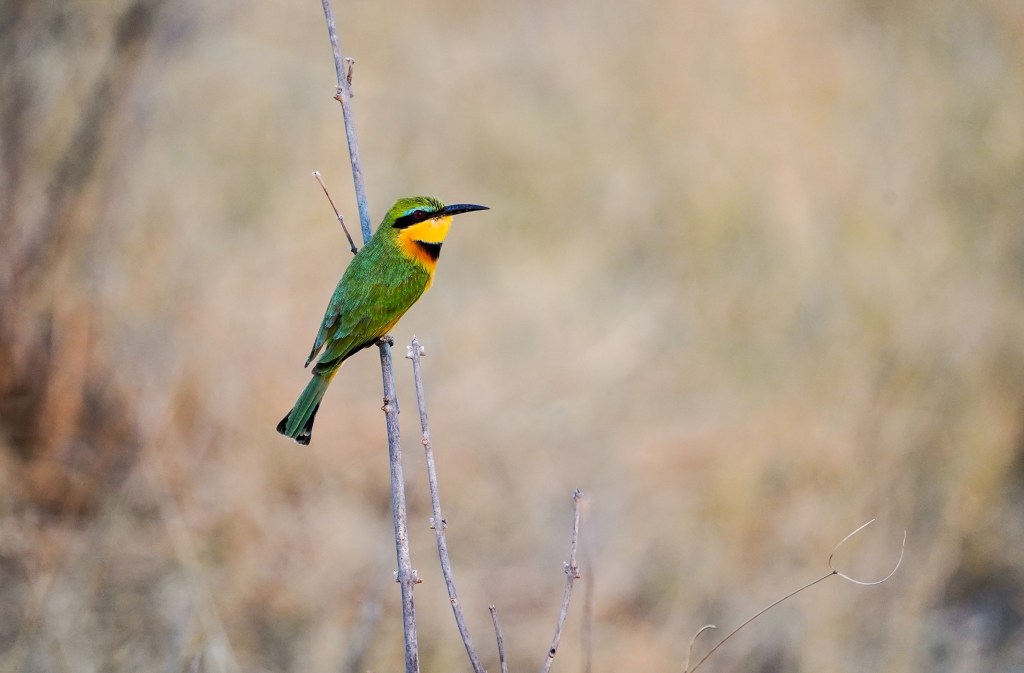
Wet season does have its own perks though and shouldn’t be completely overlooked. While it will likely be harder to see the big game that everyone comes to Africa for, the birding is supposed to be spectacular. And as someone who doesn’t know anything about birds, I can say that Botswana gave me a whole new appreciation for them during our visit. If November through March is the only time you’re able to head to this incredible country, you should look into a safari in the Kalahari. The dry season can be so harsh in this area that it actually follows the opposite game viewing cycle and can be a much better experience during the wet season.
Once you have the dates for your trip you’ll want to decide on the specific location(s) for your Safari. Botswana is slightly larger than the size of France (or slightly smaller than the state of Texas if that’s a better size reference for you), but it has 7 different ecosystems within its borders so you have lots of options when it comes to choosing the safari experience you want! We chose to do two different locations, one in the Linyanti Reserve and one in the Okavango Delta and I absolutely loved our choices. Doing these two gave us two completely opposite (both wonderful) experiences.
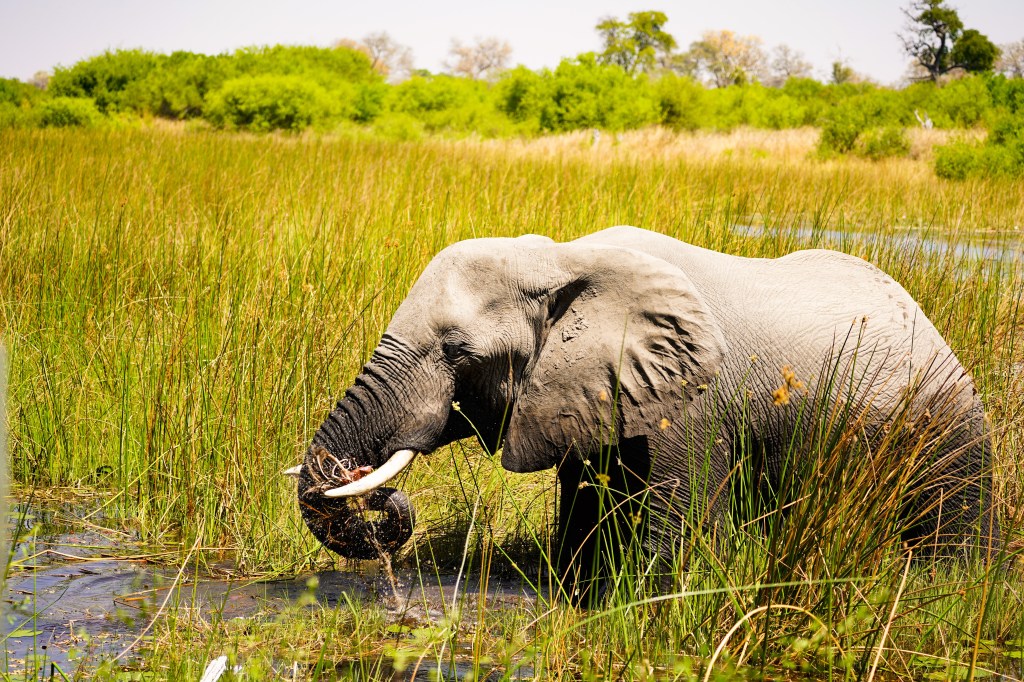
The Linyanti Reserve borders the Linyanti River (as the name suggests) in the northern part of the country and is known to be one of the more remote game reserves with one of the highest concentrations of game. For an unknown reason this game reserve is “underused”, but that is great news for the people who do end up here because it means that you get to experience all of this natural beauty without the reminder that other people exist. You can completely forget that there is anyone other than you and the few other people staying at your camp in the world. Everyone’s experience will differ, but when we were here there was so much wildlife everywhere you turned. I chose Botswana specifically because it has the largest population of elephants in all of Africa, and the Linyanti Reserve did not disappoint. The first animal we spotted was an elephant and he practically posed for me while I tried to keep from crying (tears of happiness – if that wasn’t clear). From then on, we saw elephants everywhere.

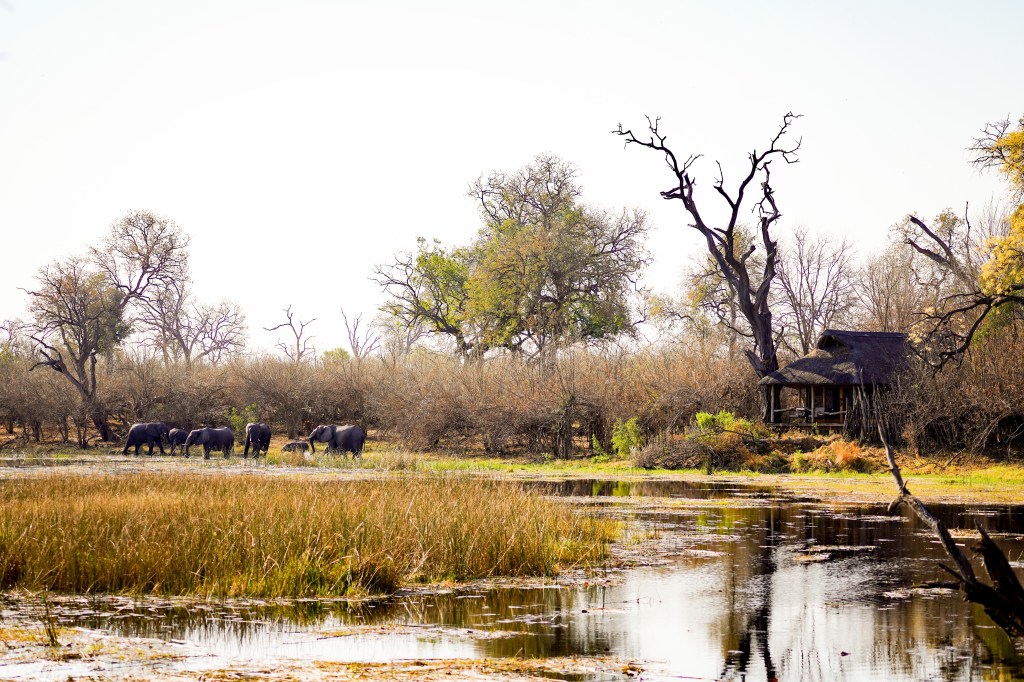
On the most magical day of our whole trip, there was an elephant happily munching on river grasses right next to our lodge, and a herd of probably 30 elephants a short distance to our right and another herd of maybe 10-15 elephants down the river to our left. I cannot overstate how amazing it is to watch these animals in their natural habitat. They are so graceful and stately despite their massive size.
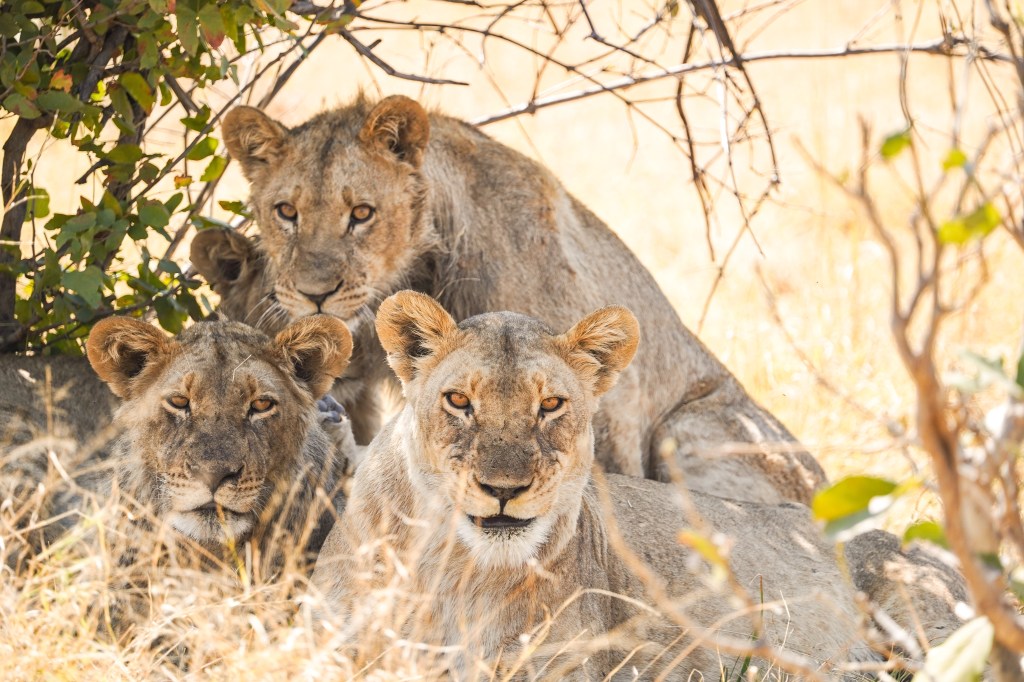
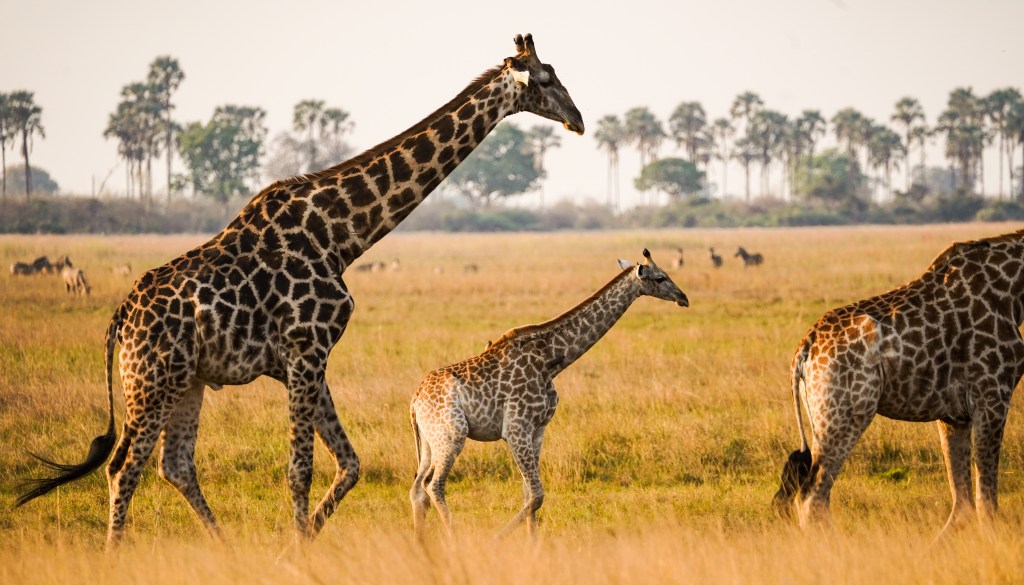
Aside from elephants, we had encounters with many different groupings of lions – lone young males, females with cubs only a few months old, a lioness on her own with her 4 one year old cubs, and two male lions wandering their territory. We were also fortunate enough to see zebra, giraffe, kudu, impala, hippopotamus, lechwe, wildebeest, crocodiles, baboons, vervet monkeys, a brief leopard spotting, and one of my new favorite animals – painted dogs (or wild dogs)! The last day of our time in the Linyanti Reserve now holds one of my favorite travel memories.
We were about 45 minutes into our game drive when our guides got a call over the radio from camp that two wild dogs had been spotted across the river from camp – which was the exact opposite direction we had been heading. Brian and Tom (our incredible guides) turned to us and said while nothing was guaranteed, it was worth the shot if we were willing. We were more than willing to try and when they told us to hang on and mind the branches, they were not exaggerating! We flew over the terrain that we had been carefully maneuvering through for the last 3 days. Across the sandy tracks with shrubbery constantly whipping the sides of the vehicle as we ducked out of the way while bouncing around and laughing hysterically. This honestly might have been more of an adrenaline rush than zip lining in Victoria Falls….

We made it to the area where the wild dogs had been spotted and they followed the tracks as far as they could, but then lost them in thick brush. Thankfully another vehicle from our camp spotted them and was following them on their hunt and we sped off again in the right direction. As we drove in the direction they were headed, we came around a turn and there they were just heading off the road they had been trotting down and back into the brush. The vehicle that had been tracking them for us stopped and without a second thought we were off! Into the brush, crashing through trees and bumping over anything in our way just to catch a glimpse of these incredible creatures. We could spot them in and out of the shrubbery as we sped along completely off roads at this point when all of a sudden they stopped dead. Up ahead we could hear the noises of distressed impalas and we watched as the hunting pair listened to the prey that had brought them in this direction. They were making the decision whether it was worth the risk of running into whatever was upsetting the herd of impala- likely a leopard or some lions – for the sake of their breakfast.

While we sat there with our hearts still beating out of our chest from the adventure, we watched as they listened intently and eventually made the decision to head off in the opposite direction to hopefully find a less contested meal. As they headed back the direction they came, they passed within a foot of the side of the vehicle and I think my heart just stopped. I couldn’t believe how lucky we had been to see these incredibly rare, endangered animals. There are only a little over 6,500 wild dogs left in the wild and their population is continuing to decline. They’re at constant risk of being killed by farmers and because of their nature, any disease affecting one of them passes very quickly to their entire pack. Watching them disappear off into the distance, I could not help but wonder if I’d ever get to see them again…
Now that we’ve gone on that little detour, let me tell you about the incredible second destination we chose for our Safari! The Okavango Delta. This place is the stuff of dream vacations. In the northwest of Botswana, the largest inland river Delta in the world houses some of the most endangered large mammals on earth. Grasslands stretch out as far as you can see and the plains are covered with animals. When we were in Linyanti we would come across segregated groups of animals, but here there were ostriches running past elephants between herds of zebra grazing next to herds of wildebeest. The animals were more commingled here and it was fascinating to watch their interactions with each other.
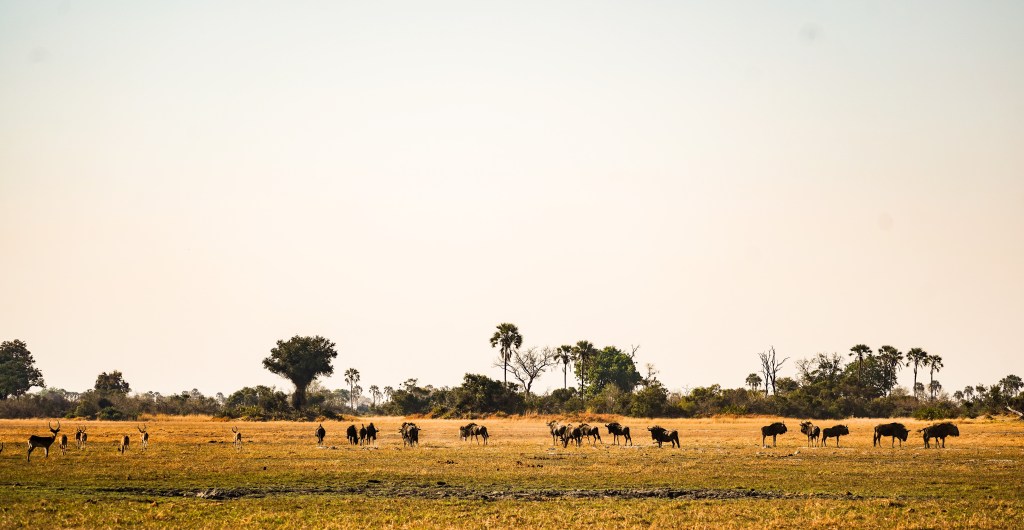
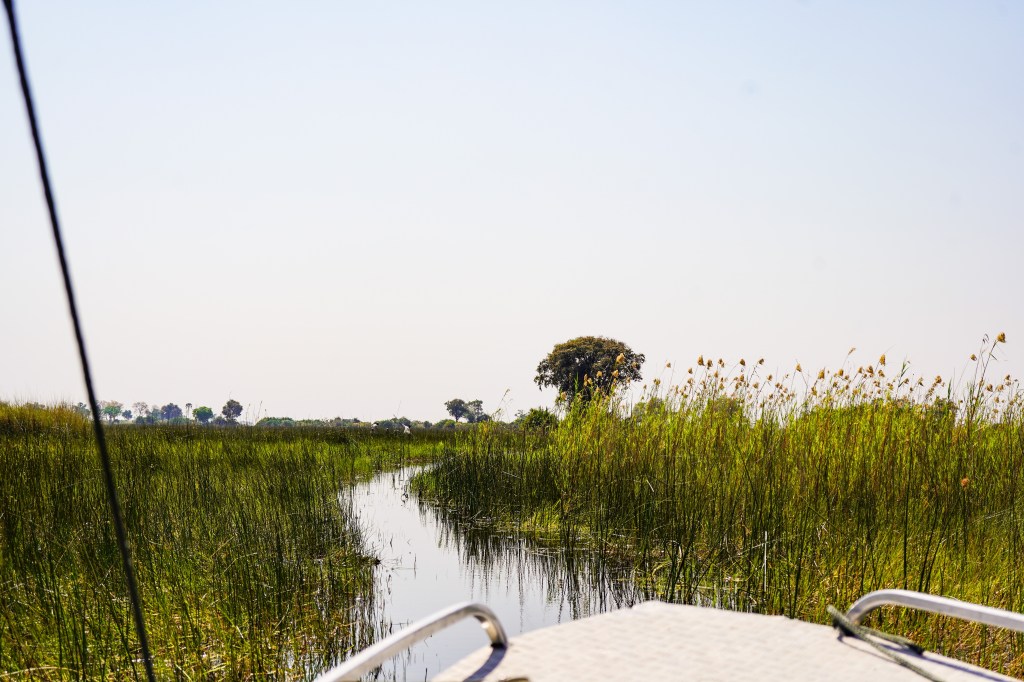
Besides the incredible animals in this corner of the world, what really sets the Okavango Delta apart is the landscape. If you’re like me, you think of Africa as desert or bush, but this area is covered in both permanent swamp and seasonally flooded grassland. In fact, to get to our game drive location most days we would have to take a shallow-bottomed motor boat to one of the “islands”. This quickly became one of my favorite parts of this destinations’ safari.
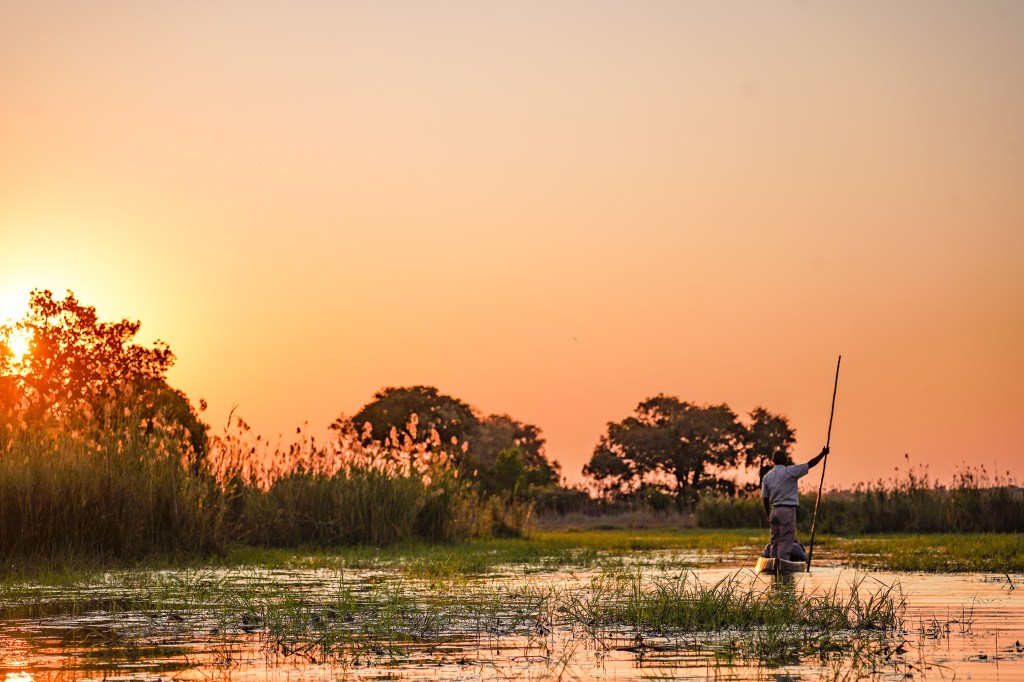
One of the most special and unique things that is a common offer on safaris in the Okavango is the chance to do a Mokoro ride. A Mokoro is a traditional canoe-style boat in this region that is made from hollowing out a large tree. The boats are maneuvered by “polers” similar to the Gondola boats in Venice, but instead of Italian serenades you sit in the absolute peace and tranquility of the African delta with the soft ripple of water and the quiet sounds of insects and birds calling. To explain this level of zen feels almost impossible, but as someone who finds the concept of relaxation to be completely foreign, I can say that this was the most peaceful place I have ever been in the world. If I could have stopped time and stayed in that little Mokoro boat, feeling tiny and weightless in the shallows of the delta with nature all around me and the most beautiful sunset sinking low over the plains- I would still be there.
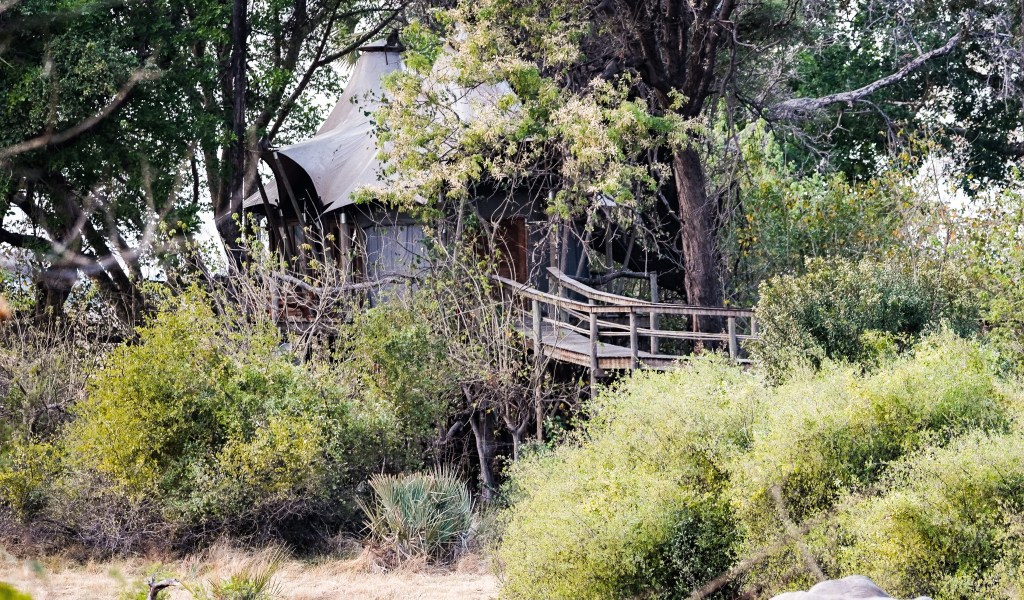
Most of the camps in this part of Botswana are built on stilts, high up into the tree tops because the water levels are constantly changing. The camp that we were in- Kwetsani – was absolutely stunning and should have still been “underwater” when we arrived in early September. Unfortunately, the last few rainy seasons in Angola (where all the water here is flowing from) have been desperately low and the Delta has been drying up earlier and earlier. So instead of being perched in our incredible tree house tents above water, we were perched over grassland. While selfishly a little disappointed, I couldn’t help but feel terrified for the future of these animals as this change continues to be a problem due to climate change. It also really opens your eyes to how delicate all of these ecosystems are and how intertwined the whole world is. Angola is about 1,000 miles (1,600 kilometers) away from the Okavango Delta, but the weather there has a drastic affect on the animals, landscape and people here. There is nothing like being surrounded by nature without any modern distractions to remind you of the importance of our planet and the need to take care of it much better than we currently are.
We saw so much while we were here- more of everything we saw in Savuti, but also water buffalo, multiple leopards and we got to see a pack of 16 wild dogs which warmed my heart to see such a large pack. If you’re headed to Botswana for Safari, I genuinely believe you cannot go wrong with these two destinations, but there are so many to choose from, so be sure to do your research and make sure you make the best choice for you! As a general rule though, I do highly recommend at least three nights per camp. We had three nights in Savuti, but only two in Kwetsani and while two is still great, three nights was definitely better and seemed to be what the majority of people and even the guides recommended.
Once you have chosen your time and locations, you will pick a safari outfitter. I was personally really concerned with this because it was important to me to support an outfit that was sustainable, eco friendly and truly cared about conservation. I was not interested in some tourist trap nonsense that would guarantee this animal or that because they laid out bait or allowed unsafe viewing habits.

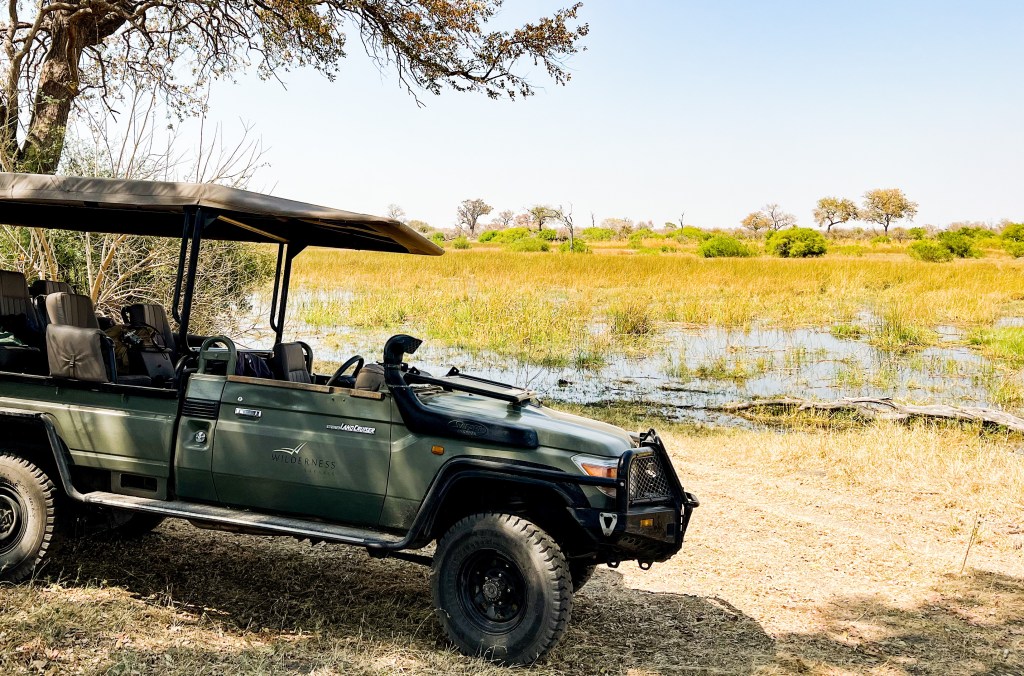
Finding Wilderness Safaris (since we stayed, they’ve changed their brand name to just “Wilderness” because it better aligns with their conservation efforts as more than just a safari company) was an absolute dream. I don’t think I can say enough amazing things about this company. Everything they do has sustainability and conservation at the forefront. Simultaneously, they also provide such a high standard of hospitality that you would never know how far you are from traditional civilization. The food was unbelievable, the accommodations were out of a fairytale, but the people were what made our stay unforgettable. Someone will meet you upon return from your game drive with a cool towel after the morning game drive and a warm towel after the evening game drive. Every staff member smiles and says hello no matter where or when you see them. Any question or request is met nearly immediately with enthusiasm and haste. I’ve seen good hospitality, but genuine hospitality is harder to come by and they found it in droves here. From the servers, to the housekeepers, the chefs to the guides, I was so impressed with every single person we met. They just go out of their way to make sure everyone is comfortable and enjoying their experience.
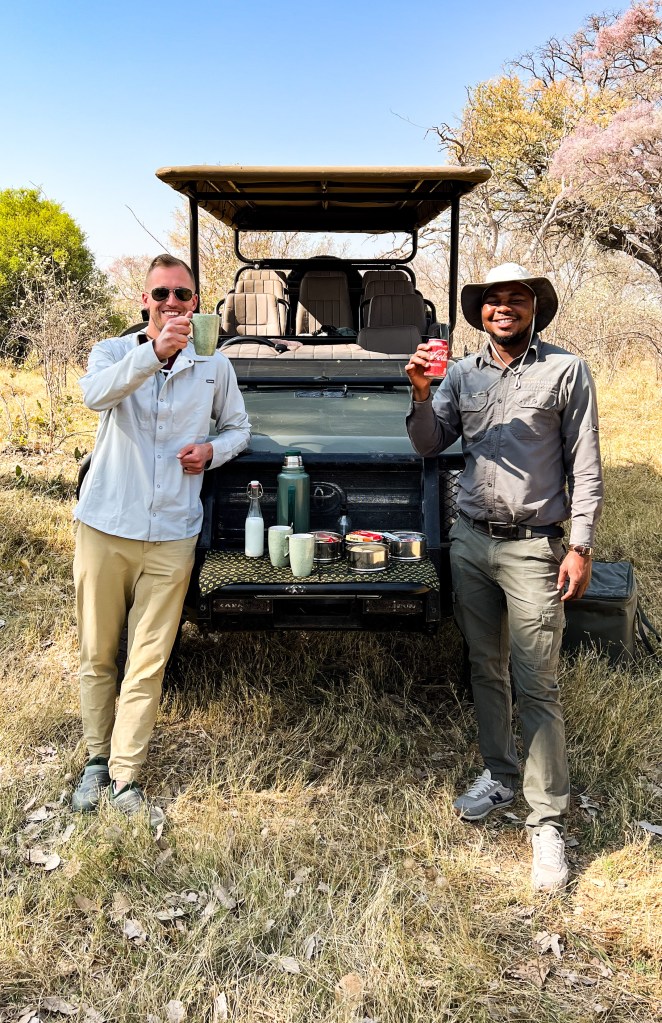
Also in talking with our guide at the Savuti camp, we learned of the rigorous training program all the guides complete and the different levels of testing that they must pass to be able to guide for Wilderness, which added a whole new appreciation for the depth of knowledge these guides have. It was apparent every time we went out for a drive how knowledgeable they were when they would explain different things involved in tracking or how they knew which animal was making sounds and why they were making that particular noise. We were fortunate enough to have two guides in Savuti because one of them was “in training” and they were not only incredible at finding animals, but they were happy to answer our multitude of questions and were also personable enough to laugh and joke with, which when you’re in that vehicle for around 8 hours a day is really important (at least to us). If (read: when) we go back to Botswana for another Safari I will not think twice about choosing Wilderness. I’m sure there are a million other companies, and even many other sustainability and conservation minded ones, but I am just so in love with Wilderness that I’m ready to try all of their camps. Maybe that’s a new bucketlist item- stay at every wilderness safari camp… hmm…
So now that you’ve chosen when, where and with what company, you’re pretty much ready to go! Packing is a whole other obstacle requiring it’s own post entirely due to baggage restrictions on bush planes and the complicated weather, so check back for our post on what to bring with you on an African Safari because it’s coming shortly!
Botswana is one of those places that will now always hold such a special place in my heart and I truly hope that you find yourself there one day. Bouncing along in a safari vehicle hoping to see another incredibly rare animal. Peacefully floating on a Mokoro surrounded by the most pristine nature you’ve ever experienced. Experiencing exceptional hospitality in one of the most remote destinations in the world. Your time in Botswana will be nothing short of magical.


Leave a comment